
How a Recruitment CRM System Keeps Your Talent Pipeline Always Ready
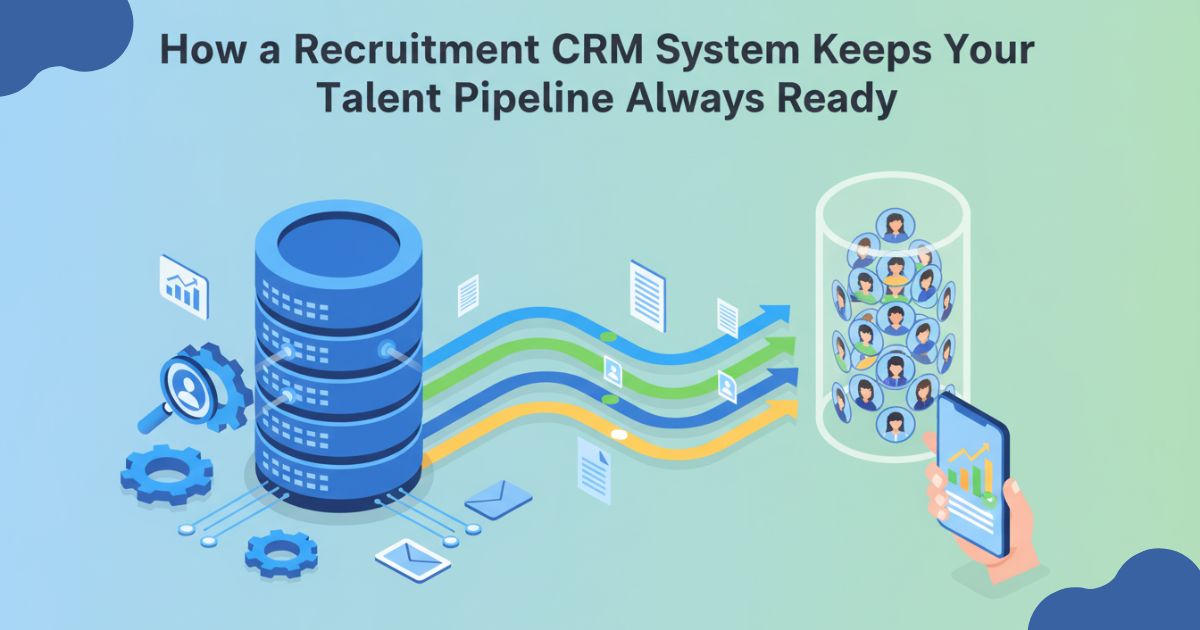
A well-maintained talent pipeline isn’t just helpful. It’s essential. When your candidate pool runs dry, hiring cycles stretch longer, client satisfaction drops, and your team wastes hours re-sourcing the same roles. That’s where a solid Recruitment CRM system steps in. It helps you stay organized, keep candidates engaged, and always have the right people ready when opportunity knocks.
Why Talent Pipelines Matter for Modern Hiring
But maintaining that pipeline manually? Nearly impossible. Spreadsheets get messy. Follow-ups slip through cracks. Candidate data grows stale. That’s exactly why modern recruitment teams turn to CRM tools. These platforms automate engagement, organize candidate information, and keep your talent pool active without constant manual effort.
What a Recruitment CRM System Really Does
Let’s break it down simply. A Recruitment CRM software is built to handle three core functions: sourcing, engagement, and nurturing.
Sourcing means pulling in candidates from multiple channels like job boards, referrals, social media, and career pages. Instead of juggling different platforms, your CRM centralizes everything in one place.
Engagement involves reaching out to candidates through personalized messages, email campaigns, and automated sequences. You’re not just collecting resumes. You’re building relationships.
Here’s the difference: without a CRM, recruiters manually track every candidate, write individual emails, and try to remember who applied for what. With a CRM, workflows handle the repetitive tasks. Your team focuses on meaningful conversations, interviews, and closing offers.
Ready to take manual work off your plate?
Key Features That Keep Your Talent Pipeline Always Ready
Centralized Candidate Data
Automated Nurturing Sequences
Smart Search Filters and Tags
Speed matters in recruitment. When a hiring manager needs a Java developer with five years of experience in Bangalore, you can’t afford to scroll through thousands of profiles manually.
Candidate Relationship Management Tools come equipped with smart filters and tagging systems. You can search by skills, location, experience level, industry, salary expectations, and dozens of other criteria. Advanced platforms even use AI to suggest the best matches based on job requirements.
Tags make organization even easier. You can label candidates by stage, interest level, niche expertise, or any custom category that fits your workflow. These filters turn a massive database into a targeted, actionable shortlist in seconds.
Status Tracking for Every Stage
How a Recruitment CRM Helps You Build a Steady Flow of Qualified Candidates
And here’s where things get even better: when you integrate ATS Software with your CRM, you create a seamless application-to-hire workflow. Your ATS handles active job postings and application tracking, while your CRM nurtures long-term relationships with candidates who aren’t immediately placed.
Geo Smart Advantage: Building Local and Global Talent Communities
Hyper Local Talent Pools
Global Talent Networks
Your CRM becomes the central hub for all candidate relationships, regardless of where they’re based. You maintain consistency in your process while adapting to regional nuances.
How CRM Software Improves Daily Recruiting Workflows
Beyond pipeline management, a solid CRM transforms how your team operates day-to-day. The impact shows up in collaboration, candidate experience, and overall productivity.
Faster Collaboration
Shared candidate notes, internal tags, and activity logs keep the entire team informed. No more back-and-forth emails asking for status updates. No confusion about who’s handling which candidate.
A Recruitment CRM gives your team a single source of truth. Everyone sees real-time updates, making handoffs smooth and reducing miscommunication.
Better Candidate Experience
Candidates notice when you’re organized. Quick responses, timely follow-ups, and clear status updates build trust and strengthen your employer brand.
Higher Productivity for Teams
Hiring local or across borders?
When You Should Switch to a Recruit CRM Platform
If you’re still on the fence, check out our related guide on why agencies gain a competitive edge with modern recruitment tools to see how CRM adoption impacts long-term growth.
Steps to Keep Your Talent Pipeline Active Inside a CRM
Tag and Segment Candidates Correctly
Start with clean, detailed tagging. Organize candidates by skills, location, experience level, industry, and any other criteria relevant to your roles.
Run Consistent Engagement Touchpoints
Balance is key. Too many messages feel spammy. Too few, and candidates forget about you. Most successful recruiters aim for one meaningful touchpoint per month for passive candidates and weekly updates for active prospects.
Refresh Old Candidate Data Regularly
Candidate information goes stale fast. People change jobs, acquire new skills, relocate, and update their availability. If your database isn’t current, your outreach efforts fall flat.
Track Activity and Interest Levels
Not all candidates are equally engaged. Some respond instantly. Others go silent. Your CRM should help you identify who’s hot and who’s cold.
Final Thoughts
The recruiters who win aren’t necessarily the ones with the biggest budgets or the flashiest job postings. They’re the ones who build relationships, stay organized, and respond fast when opportunities arise.
Ready to see how a Recruitment CRM can transform your hiring process?
Book a quick call or request a demo to get a personalized walkthrough of how our platform keeps your talent pipeline active and ready for any hiring challenge.
Ready to Get Started?
Get our 14-day free trial to explore the features —the fastest approach in enterprise grade software implementation across recruitment solutions